Bangs or No Bangs? How to Decide Before You Cut
Not sure if you need bangs? Check how face shape, hair texture and upkeep affect a fringe, then preview bangs on your own photo before you cut.
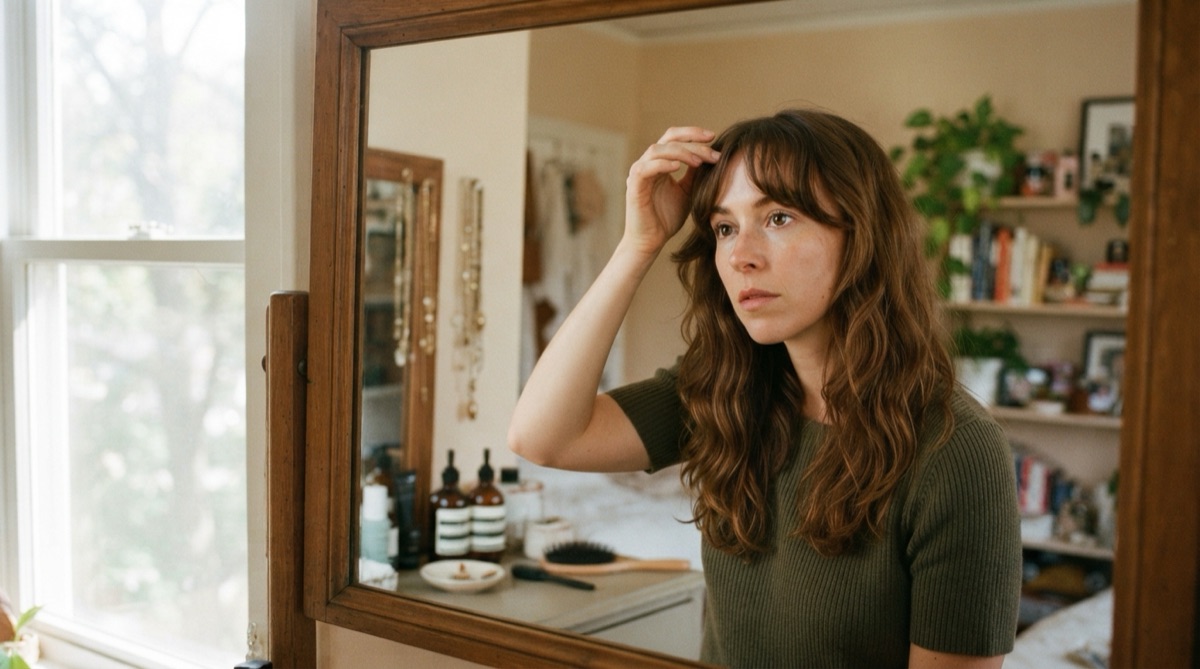
Bangs are the most commitment-heavy "small" change in hair. A fringe transforms your whole look instantly, costs almost nothing to cut — and takes months to grow out if you regret it. That asymmetry is exactly why "should I get bangs?" causes so much agonizing. The good news is that the decision breaks down into four answerable questions: do they suit your face shape, will your hair texture cooperate, are you ready for the upkeep, and — most reliably — what do they actually look like on you?
Let's work through each, and then the one step that settles it for good without any risk.
Do Bangs Suit Your Face Shape?
Bangs change your face's proportions by covering part of the forehead and adding a horizontal line, so face shape matters — but the trick is choosing the right style of fringe rather than deciding fringe-or-not:
- Oval faces suit almost any fringe, from blunt to curtain to wispy — balanced proportions give you the most freedom.
- Round faces are flattered by longer, side-swept, or curtain bangs that create angles and length; blunt, straight-across bangs can emphasize width.
- Square faces soften beautifully with wispy or side-swept bangs; heavy blunt fringe can echo an already-strong jawline.
- Heart faces (wider forehead, narrow chin) balance nicely under a soft curtain or wispy fringe that reduces forehead width.
- Long faces benefit most from bangs — a blunt or full fringe shortens the face by breaking the vertical line, which is why long faces and bangs are a classic match.
The pattern: there is almost always a fringe style that suits your face — it is rarely a flat yes or no. For the deeper logic behind these balancing principles, see our guide to choosing a haircut for your face shape.
Will Your Hair Texture Cooperate?
This is the factor that turns bang dreams into bang regret, and it deserves brutal honesty. Texture determines how much daily effort a fringe will demand:
- Straight hair is the most cooperative — bangs fall predictably and need the least styling.
- Wavy hair can wear bangs but will usually need to be blow-dried or straightened daily to keep the fringe smooth, since it wants to wave in a different direction than the rest.
- Curly hair can absolutely have bangs — curly curtain bangs and curly fringes look great — but they behave as a distinct curl feature, not a sleek straight-across fringe, and shrink when dry.
- Cowlicks and a strong hairline at the front can make certain bang styles fight you every morning; mention any cowlick to your stylist before you commit.
- Fine hair can look sparse in a heavy blunt fringe but does well with a soft, wispy one.
- Oily skin or forehead means bangs will need more frequent washing, since they sit against the skin and pick up oil fast.
The Maintenance You Are Signing Up For
Bangs are not a one-time cut — they are an ongoing commitment, and this is where most regret comes from. Two realities to accept before you say yes. First, bangs need styling nearly every day: they show a crease from sleeping, react to humidity, and rarely air-dry into place, so a quick blow-dry becomes part of your morning. Second, they need trimming every two to four weeks to stay out of your eyes — far more often than the rest of your hair. Many salons offer free bang trims between cuts, so ask, but you still have to show up. And when you decide to grow them out, expect an awkward few months as the fringe passes through your eyes and cheekbones on its way to blending in. None of this is a reason not to get bangs — it is simply the honest cost, and knowing it upfront prevents the classic "cut on a whim, regret by week two" cycle.
The Step That Actually Settles It: Preview Them
Every factor above narrows the odds, but none of them tells you the one thing you really want to know — how bangs look on your face. Because bangs are so easy to cut and so slow to undo, previewing them first is the highest-value move in all of hair decisions. HairLens lets you upload a single photo and see different fringe styles — blunt, curtain, wispy, side-swept — rendered on your own face, then compare them against your current no-bangs look side by side. If the curtain bangs make you want to book immediately and the blunt fringe makes you wince, you have your answer in minutes, with zero months of growing out involved. The app also offers personalized AI hair advice for your hair type, useful for gauging how much daily styling a given fringe will realistically need. Your photo is used only to generate the preview and then discarded, never stored or sold. When you find the fringe you love, that preview is the exact image to show your stylist — as we explain in how to talk to your hairdresser.
FAQ
How do I know if bangs will suit me before cutting them?
The reliable way is to preview them on a photo of yourself with a virtual try-on, since bangs so dramatically change proportions that imagining them is unreliable. As a rough guide, choose the fringe style that matches your face shape — curtain or side-swept for round and square faces, blunt for long faces — but confirm it visually before the scissors come out.
Are bangs high maintenance?
Yes, more than most cuts. Expect near-daily styling to keep them smooth and crease-free, plus a trim every two to four weeks to keep them out of your eyes. Wavy and curly textures add more effort still. If a low-maintenance routine is non-negotiable for you, a longer curtain fringe is the most forgiving option.
How long do bangs take to grow out?
Reaching a length where they blend into the rest of your hair usually takes three to six months, passing through an awkward eye-length stage along the way. You can ease the grow-out by having a stylist blend the fringe into face-framing layers rather than waiting for it to grow straight down, which shortens the awkward phase considerably.
Try on new hairstyles and get AI hair & skin advice.
HairLens — See new hairstyles and colors on yourself from a single photo, and get personalized AI advice for your hair and skin.
Download HairLensfree on the App StoreKeep reading

Best Haircuts for a Round Face (Women and Men)
The best haircuts for a round face add height or length and break up the cheeks. Specific cuts for women and men, mistakes to avoid, and how to test them.

Haircuts for a Receding Hairline That Actually Help
The best haircuts for a receding hairline: textured crop, French crop, buzz cut and more, matched to how far it has receded, plus what to avoid.

Korean Hairstyles: How to Pick One for Your Face Shape
Korean hairstyles for men and women, from the two-block cut and Korean perm to the hush cut and hime cut, matched to face shape and hair texture.