How to Read Nutrition Labels Without Getting Fooled
Learn how to read nutrition labels the smart way: serving-size traps, the sugar and sodium lines that matter, and the marketing words to ignore on the front.
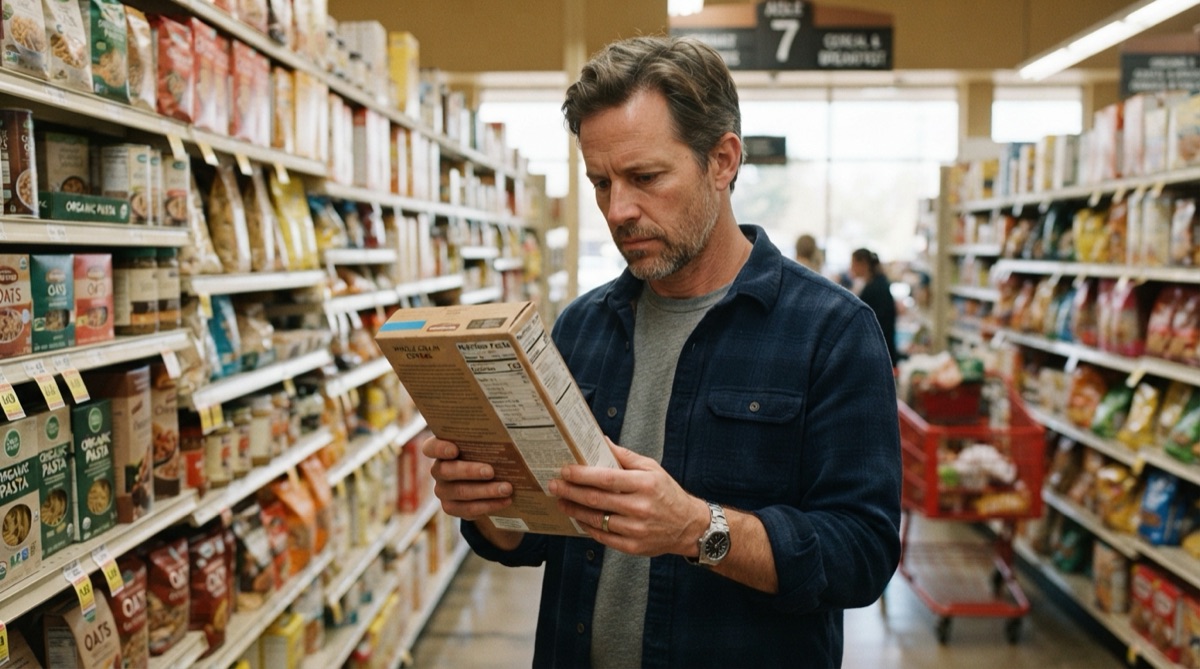
A nutrition label looks like a straightforward table of facts, but it is designed to be technically true while being easy to misread. The number that trips up almost everyone is not buried in the fine print — it is right at the top. Once you know where the traps are, a label becomes one of the most useful tools you have for eating well, because unlike a restaurant plate, packaged food actually tells you what is inside.
This guide walks through the label top to bottom, points out where the marketing lives, and shows how to sanity-check the whole thing in seconds.
Serving size: the number that fools everyone
Every other number on the label is per serving, and the serving size is often smaller than what anyone actually eats. A small bag of chips that looks like a single snack may declare "2.5 servings." The calories, sugar, and sodium printed are for one of those servings — so if you eat the bag, you multiply everything by 2.5.
Before you read anything else on a label, do two things:
- Check the serving size and servings per container. A bottle of soda, a tub of ice cream, and a bag of pretzels are classic multi-serving containers people treat as single servings.
- Compare the serving size to what you will actually eat. If you eat double the serving, every number on the label doubles. This single habit prevents most label mistakes.
Calories and the macro lines
Under serving size you get calories per serving, then the macronutrient breakdown — fat, carbohydrates, and protein. A few things worth knowing as you scan them:
- Total fat is less important than the type. Note the trans fat line (you want zero) and treat saturated fat with nuance rather than fear.
- Total carbohydrate includes fiber and sugars. Fiber is a positive — higher is generally better and it blunts blood-sugar spikes.
- Protein is the line most people should want higher, because it drives fullness and protects muscle. If a snack claims to be filling but has 2 grams of protein, be skeptical.
If the macro terms are unfamiliar, our plain-English explainer on what macros are covers what each one does and how much you need.
The sugar and sodium lines to watch
Two lines deserve special attention because they are where processed foods quietly pile up.
Added sugars. Newer labels separate total sugars from added sugars, and the added figure is the one to watch — it is sugar that was put in during processing rather than occurring naturally in, say, fruit or milk. Sugar also hides under dozens of names in the ingredient list: cane juice, corn syrup, dextrose, maltose, fruit juice concentrate, and many more. If several of those appear high in the ingredient list, the product is sweeter than the front of the box suggests.
Sodium. Salt is easy to overconsume from packaged foods, and it accumulates across the day rather than in any single dramatic hit. Sauces, breads, deli meats, and "savory" snacks are common culprits. You do not need to fear a single high-sodium item, but if most of your food is packaged, the daily total climbs fast.
Ignore the front, read the back
The front of the package is marketing; the back is (mostly regulated) information. Front-of-pack claims are engineered to sound healthy while meaning very little:
- "Natural" is largely unregulated in most markets and tells you almost nothing about nutrition.
- "Low fat" often means added sugar was used to restore flavor — check the sugar line before celebrating.
- "Made with real fruit" can mean a trace amount; the ingredient list, ordered by weight, reveals how much is actually in there.
- "No added sugar" does not mean low calorie or low carbohydrate — the food may be naturally high in both.
The ingredient list is the honest part of the front label's story: ingredients are listed in descending order by weight, so the first three tell you what the product mostly is. If sugar or a refined oil is near the top, you know most of what you need to know.
A quick reality check on label precision
Labels are useful, but they are not laboratory-exact. Regulators in most countries permit a tolerance margin, so the printed calorie and macro figures are themselves estimates with a small allowed error. This is worth remembering the next time someone insists packaged-food numbers are "real" while photo or manual estimates are not — every method carries some error, a point we make in our honest look at AI calorie accuracy.
For foods that never come with a label — restaurant plates, home cooking, market produce, that pastry from the cafe — a photo scanner fills the gap. Snap the item with Calovia and you get an estimate of calories and macros without a package to read. Between labels for packaged food and a quick scan for everything else, you can keep a reasonable picture of your day without weighing anything.
One honest note: reading labels supports general awareness and healthy choices; it is not medical advice. If you manage a condition where specific nutrients matter clinically — sodium for blood pressure, carbohydrates for diabetes — follow the plan your doctor or dietitian set rather than making those calls off a label alone.
FAQ
What is the most important thing to check on a nutrition label?
The serving size, first and always. Every other number is per serving, and serving sizes are frequently smaller than what people actually eat. If you eat two servings, you double the calories, sugar, and sodium — checking this one line prevents most label mistakes.
What is the difference between total sugars and added sugars?
Total sugars include sugars that occur naturally in the food, such as those in fruit or milk. Added sugars are put in during processing. The added figure is the one to limit, and you can spot hidden sources by scanning the ingredient list for names like corn syrup, cane juice, and dextrose.
Are nutrition labels always accurate?
They are close, but not exact. Most regulators allow a tolerance margin, so the printed numbers are estimates with a small permitted error. They are still one of the best tools you have for packaged food; for unlabeled food like restaurant or home-cooked meals, a photo estimate covers the gap.
Snap a photo of any meal — get calories and macros in seconds.
Calovia — Take a photo of a meal and Calovia estimates calories, protein, carbs, fat, and a simple health score — no manual logging, no searching a food database.
Download Caloviafree on the App StoreKeep reading

Food Diary With Photos: The Low-Effort Way to Track Meals
A food diary with photos takes seconds per meal and shows patterns a written log misses. Compare four methods and set one up that lasts beyond week two.

How Much Fiber Per Day Do You Need? Targets and Easy Wins
How much fiber per day you need by age and sex, what 30 grams looks like on a real plate, and how to add more without bloating. Simple, sourced, practical.

How to Count Calories in Homemade Food: The Recipe Method
How to count calories in homemade food: weigh raw ingredients, weigh the finished pot, divide by your portion. A worked chili example plus a faster photo option.